
5 Reasons to Choose a Heritage Architect for Your Historic Building Project
October, 2026
Introduction
Historic buildings require a different approach to contemporary design and construction.
When people think of heritage projects, they often picture listed buildings. In reality, historic buildings come in many forms. Your project may involve a listed property, a building within a conservation area, a site adjacent to a heritage asset, or simply a building with distinctive architectural character that deserves thoughtful consideration.
From Georgian townhouses and Victorian industrial buildings to mid-century architecture and rural farmsteads, every historic building has its own story, construction methods and constraints. Whilst architects work across a wide range of building types, specialist knowledge is particularly important when working with historic fabric.
Many of the skills that make a good heritage architect are also valuable when working with existing buildings more generally. Understanding how a building has evolved over time, how it performs and how contemporary interventions can be integrated sensitively often leads to better design decisions and more sustainable outcomes. Historic buildings simply demand these considerations to a greater degree, making specialist heritage expertise particularly valuable.
Whether you are repairing, extending, adapting or reimagining a historic building, working with a heritage architect can help unlock opportunities, avoid costly mistakes and achieve a more successful outcome.
1. Historic Buildings Require a Different Design Approach

When compared to modern building, heritage building are constructed using different materials, different techniques, and often for very different ways of living and working.
One of the biggest misconceptions is that a historic building can be approached in the same way as any other renovation project. In reality, every building has its own history, significance and constraints that need to be understood when considering any interventions.
A heritage architect is trained to analyse a building before designing for it. This means understanding its history, construction, setting and significance, and using that knowledge to inform future interventions. Successful heritage projects are not always about replicating the past. They are about understanding what makes a building special and designing contemporary interventions that respect and enhance that character.
In many ways, heritage architects specialise in understanding existing buildings before proposing change. This process of investigation and analysis often leads to better design decisions and is becoming increasingly relevant as more projects focus on refurbishment, adaptation and reuse rather than demolition and new construction.
Our work at Caledonia Place demonstrates this approach. The project involved a modern extension and internal improvements to a Grade II* listed townhouse within one of Bristol's most significant historic terraces. We carefully analysed its historic fabric, significance and setting to develop a contemporary design that complements the existing architecture while meeting the needs of modern living. The result is a scheme that respects the building's heritage while adding a thoughtful new chapter to its story.
At Shu Architects, we believe the most successful projects are those where old and new complement each other, allowing historic buildings to evolve while preserving and enhancing the qualities that make them special.
Project example – Caledonia Place
2. Specialist Knowledge Protects Historic Fabric

Older buildings behave very differently from modern construction.
Traditional lime mortars, breathable wall constructions, timber framing and historic masonry all require compatible materials and repair techniques. Introducing inappropriate modern materials can trap moisture, accelerate deterioration and create costly long-term problems.
Many clients come to us after experiencing issues such as damp, mould growth, cracking or material failure following works that failed to consider how the building was originally designed to perform, as often historic buildings need to breathe.
The challenge is often finding the right balance between retaining historic fabric and introducing contemporary requirements. A heritage architect understands how historic buildings perform and have experience specifying repairs, upgrades and alterations without causing unintended damage.
This specialist knowledge helps ensure interventions are both technically appropriate and sympathetic to the building's character, protecting not only the building itself but also your investment in it.
A good example is Clifton Hill House, where sensitive alterations to the bathroom layout were required within a historic building while preserving its architectural significance. Projects such as this demand a detailed understanding of traditional construction methods, material performance and conservation principles. By carefully considering how the building functions as a whole, improvements can be made without compromising the historic fabric that gives the property its character and value.
Whether undertaking repairs, energy improvements or alterations, understanding the relationship between old materials and new interventions is essential to achieving a successful long-term outcome.
Project example – Clifton Hill House
3. Balancing Conservation with Modern Living
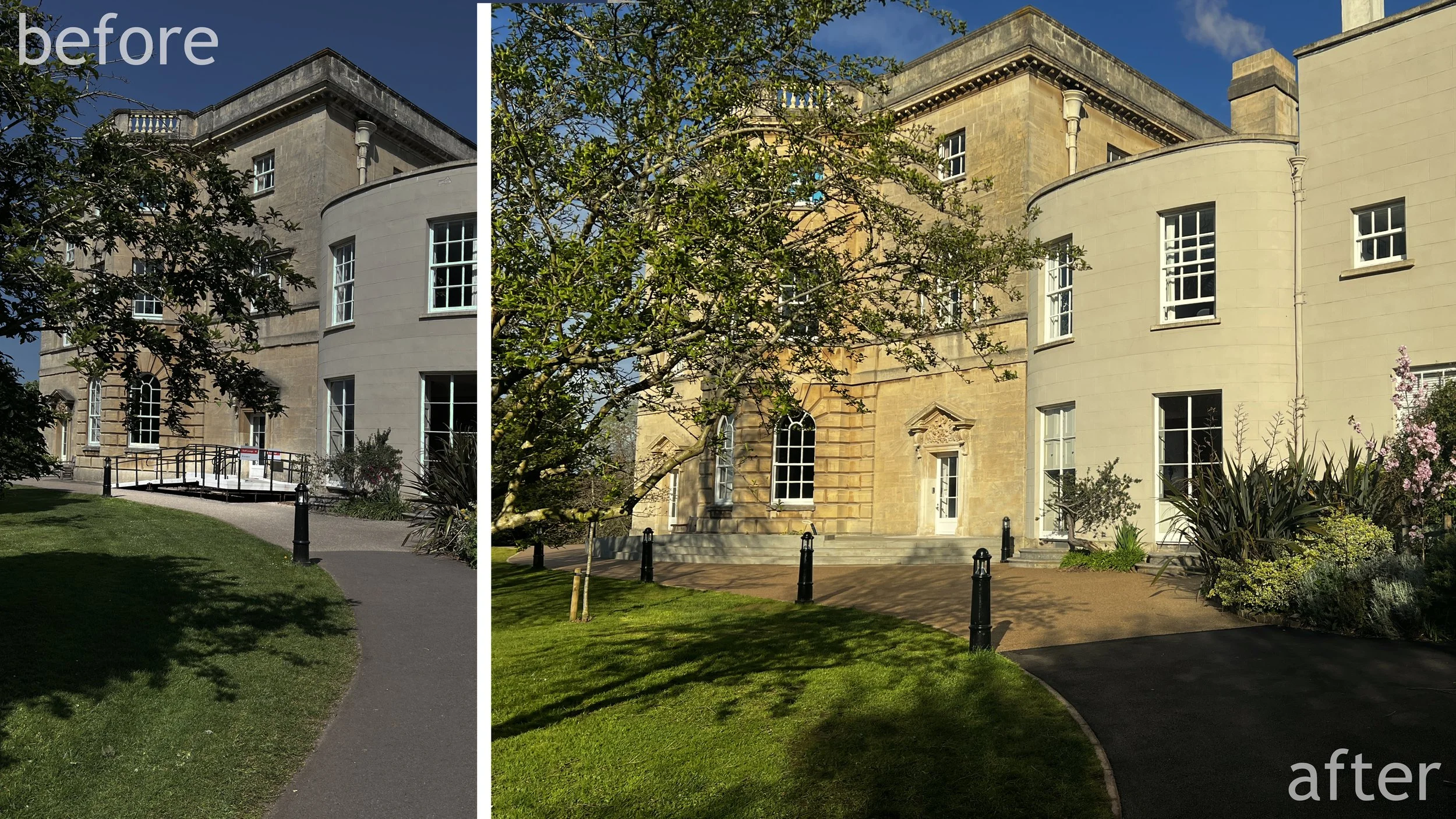
Good conservation is not about freezing buildings in time.
Historic buildings need to remain viable, adaptable and enjoyable to use if they are to survive into the future. The challenge lies in introducing modern requirements while retaining the qualities that make a building special.
Whether the project involves a sensitive extension, improved accessibility, energy upgrades or adapting a building for a new use, a heritage architect can help balance preservation with contemporary living.
Accessibility is often a particular challenge in historic buildings. Features such as level changes, narrow doorways, historic staircases and changes in floor level can create barriers. The solution is rarely as simple as applying standard details or guidance.
A heritage architect can identify opportunities to improve accessibility while respecting the building's character and significance. Whether introducing ramps, lifts, accessible entrances or adapted facilities, the aim is to ensure these interventions feel integrated with the architecture rather than appearing as afterthoughts.
This principle extends to all contemporary interventions. Whether improving environmental performance, introducing new accommodation or adapting a building for changing needs, successful heritage projects allow buildings to evolve while preserving the qualities that make them unique.
Our work at Royal Fort House reflects this approach. Historic buildings must continue to serve the people who use them, and achieving this often requires carefully considered interventions that balance conservation objectives with modern expectations. By understanding both the significance of the building and the practical requirements of its users, it is possible to create spaces that are more inclusive, functional and sustainable without diminishing their historic character.
The most successful projects are those that allow historic buildings to remain relevant and viable for future generations, ensuring their continued use while celebrating the craftsmanship, character and sense of place that make them special.
Project example – Royal Fort House
4. Heritage Projects Involve More Than Just Design

Heritage projects often involve far more than a standard planning application.
Depending on the building and its setting, projects may require Listed Building Consent, Heritage Statements, and consultation with conservation officers or Historic England.
Many clients are surprised to learn that this often means appointing several specialist consultants alongside an architect, with each producing reports and recommendations throughout the planning process.
At Shu Architects, much of this expertise sits within the practice. Alongside architectural design, we regularly prepare Heritage Statements and supporting conservation documents in-house. Our team includes a Conservation Architect and Conservation Registrants, enabling heritage considerations to be embedded within the design process from the outset rather than assessed separately later.
This integrated approach creates a more coordinated and efficient process. Rather than managing multiple consultants, our clients benefit from a single team that understands both the design ambitions and heritage constraints of a project from day one, helping to save time, reduce complexity, and improve the likelihood of a successful outcome.
A good example is our work at 71 Park Street, a contemporary new-build development located within a conservation area and adjacent to a listed building. As a new build within this historic context, the project required careful consideration of the site's surrounding townscape, and conservation policies. By integrating heritage expertise and architectural design from the outset, we were able to develop a proposal that responded sensitively to its setting while delivering a high-quality contemporary building.
Project example – 71 Park St
5. Heritage Expertise Protects Your Investment
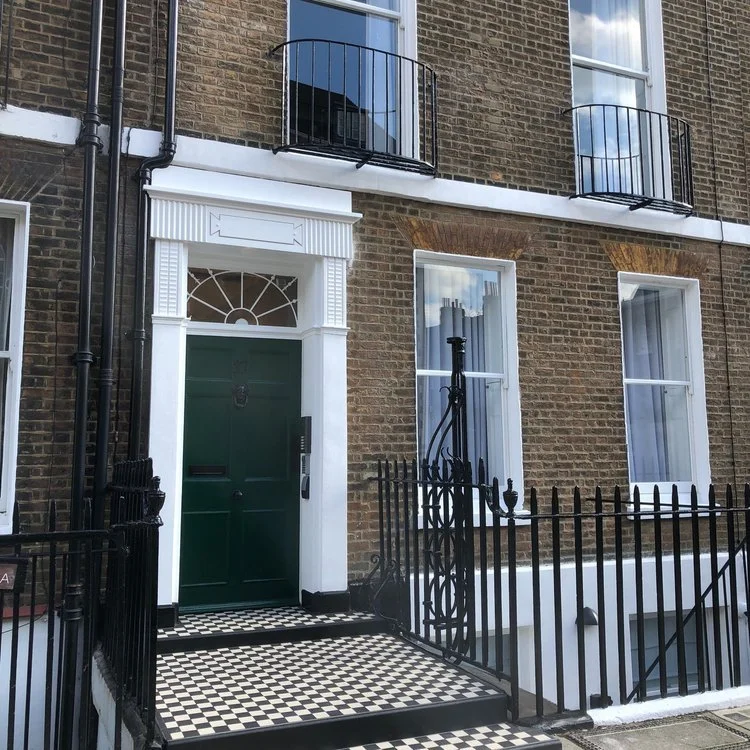
Historic buildings represent a significant investment, both financially and culturally.
Working with a heritage architect helps protect that investment by ensuring proposals are proportionate, appropriate, sustainable and legally compliant.
Retaining and repairing existing buildings is often significantly more sustainable than demolition and rebuild. Historic buildings already embody huge amounts of energy and material, and sensitive adaptation allows that value to continue rather than be lost. Conservation is not only about protecting heritage but also about making better use of the buildings and resources that already exist.
At the same time, historic buildings come with legal responsibilities. Many owners are unaware that relatively small alterations can require Listed Building Consent. Unauthorised works can result in enforcement action, expensive remedial works and, in serious cases, criminal prosecution.
By understanding both the opportunities and constraints associated with historic buildings, a heritage architect can help avoid unnecessary risks whilst ensuring the building's long-term future is protected.
Our work at Doughty Street demonstrates the value of this approach. The Grade II listed property had suffered from a series of previous alterations that had damaged many of its historic features. Through careful negotiation with the local authority conservation officer and a considered programme of refurbishment, we were able to restore historic character, improve environmental performance and adapt the building for modern living while securing the necessary approvals. The project highlights how specialist heritage expertise can help clients navigate complex regulatory requirements, avoid costly mistakes and maximise the long-term value of a historic asset.
Done properly, conservation is not always about preventing change. It is about understanding what makes a building important and managing change in a way that protects its significance whilst allowing it to remain relevant, useful and sustainable for future generations.
Project example – Doughty Street
Why Choose Shu Architects?
Heritage and conservation form a core part of our practice, but the skills developed through this work extend far beyond listed buildings.
Understanding existing buildings, their construction, their character and their potential is central to many of today's most successful renovation, refurbishment and retrofit projects.
Our team includes a Conservation Architect and Conservation Registrants, allowing us to provide specialist heritage advice, Heritage Statements and conservation support alongside architectural design.
For many heritage projects, clients may need to appoint an architect, heritage consultant and additional conservation specialists separately. By bringing these services together under one roof, we are able to provide a more coordinated, efficient and cost-effective service.
This means heritage considerations inform design decisions from the outset, creating a more streamlined process and a stronger overall project.
Whether your building is listed, located within a Conservation Area or simply possesses a distinctive character worth preserving, our approach combines conservation expertise, contemporary design and technical knowledge to help you achieve the best possible outcome.
Final Thoughts
Historic buildings require specialist understanding.
Working with a heritage architect helps protect the character, significance and long-term future of historic structures whilst avoiding unnecessary mistakes, delays and legal complications.
Conservation is not always about preventing change. It is about understanding what makes a building important and ensuring future interventions enhance that significance rather than diminish it.
By understanding the past, we can make better decisions about the future.