
71 park street

project roundup:
client: Urban Creation
project team: Shu Architects, Box Twenty Consulting Engineers Ltd, Skeletal Consulting Engineers Ltd, Cook Brown, Highgate Transportation Limited, Clever Space Construction, RDH Mechanical Services, ChampionBuild, Roofworx, Woodworx, Rowland Stone, JP Builders, Weaver Demolition, Greens Construction South West, Aztech Flooring, Techniglaze, Office Tech Suite, Kitto Joinery, Rank Engineering & Clayton & Company.
location: Bristol, UK
Key facts that make this project stand out
A lost streetscape restored
Reinstates the full height and architectural presence of a Blitz-damaged site for the first time in over 80 years.Sustainability without compromise
Combines heritage-sensitive design with cutting-edge environmental performance, significantly reducing operational energy demand.Exceptional delivery on a constrained site
Navigates complex structural, logistical, and stakeholder challenges through innovation, collaboration, and technical excellence.
A landmark regeneration restoring heritage, delivering sustainability, and redefining urban living.
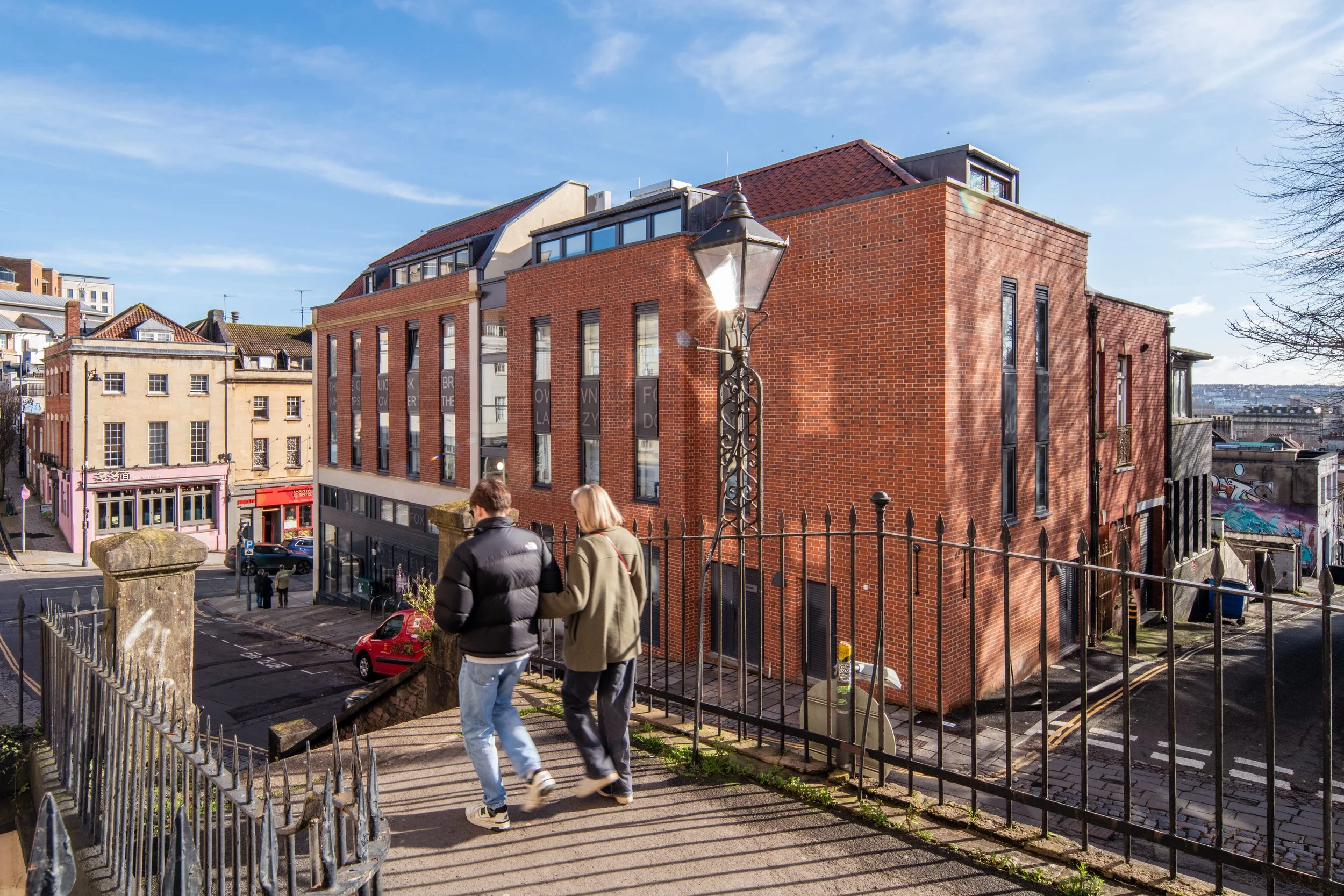
71 Park Street is a landmark regeneration project that restores a long-missing piece of Bristol’s historic streetscape while delivering a highly sustainable, future-focused mixed-use development. Delivered by Urban Creation with architectural design by Shu Architects, the scheme replaces an underperforming post-war infill building with a carefully considered five-storey structure that re-establishes the original scale, rhythm, and presence of Park Street for the first time in over 80 years.
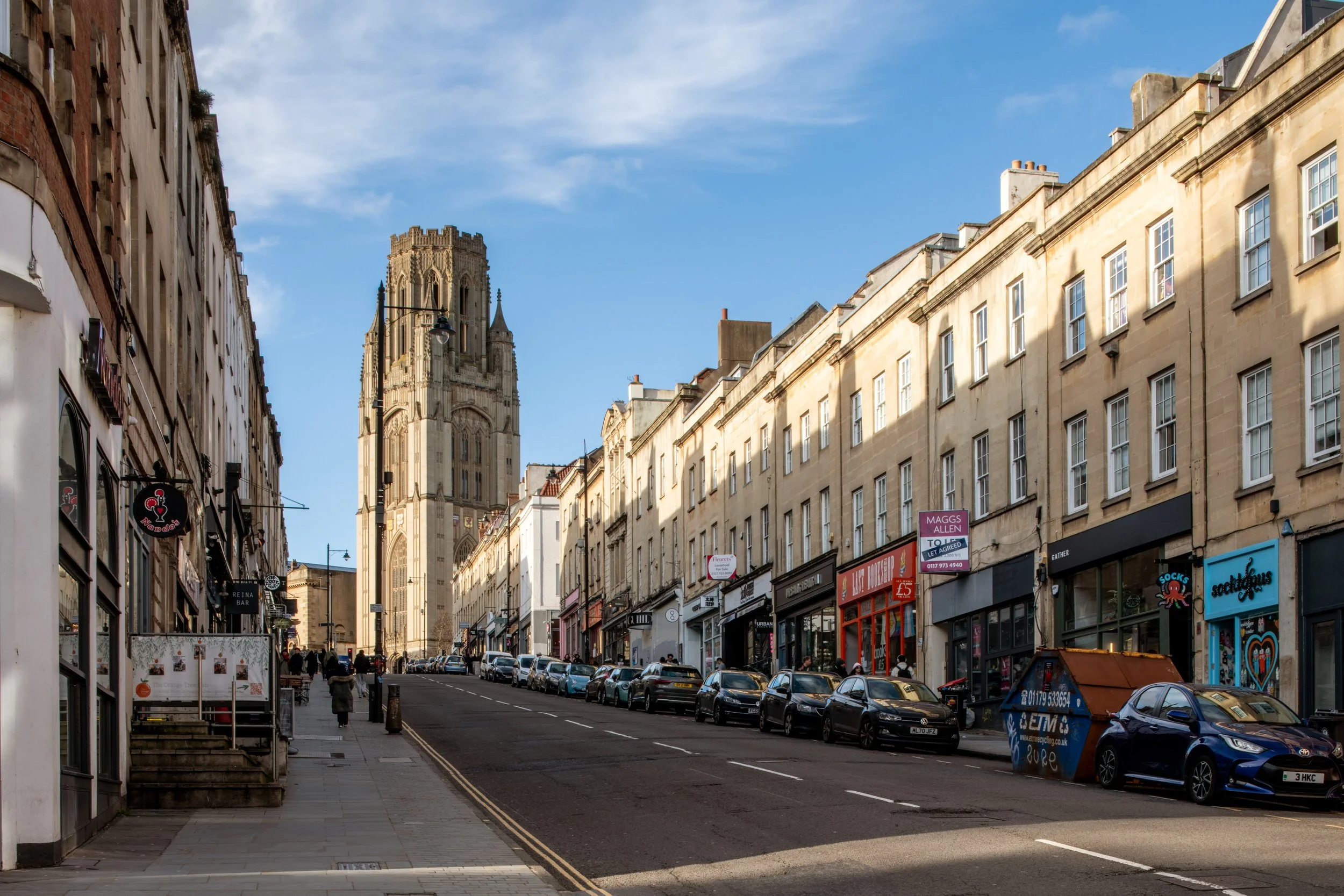
The site has deep cultural and historical significance. Formerly home to the Clifton Arts Club and Pembroke Galleries, it was heavily damaged during the 1940 Blitz and only partially rebuilt in the decades that followed. The resulting two-storey structure failed to reflect the character of its Georgian neighbours, creating a visible gap in one of Bristol’s most iconic terraces. This project addresses that loss—both architecturally and culturally—through a design rooted in detailed contextual analysis and conservation principles.
A complex urban challenge
The redevelopment presented a series of significant challenges. Located within a Conservation Area and directly adjacent to a listed building, the scheme required a highly sensitive approach to heritage, scale, and materiality. Structurally, the existing building offered limited capacity and required partial demolition, while also supporting a neighbouring retaining wall and sitting above an infilled basement.
The constrained, sloping site—combined with its position on a busy high street—introduced logistical complexity around access, deliveries, and construction sequencing. Active neighbouring businesses required careful coordination, vibration monitoring, and ongoing communication to minimise disruption. Extensive party wall agreements and stakeholder engagement were essential to maintaining progress and protecting surrounding structures.
A balanced and collaborative approach
The project team adopted a strategy that carefully balanced heritage reinstatement, structural innovation, and sustainability. Early design stages focused on analysing the proportions, materials, and architectural language of the original pre-Blitz building, ensuring the new structure would seamlessly reintegrate into the terrace.
This heritage-led approach was combined with modern construction methods. A reinforced concrete frame with a flat slab and perimeter cantilever solution was developed to maximise usable space within tight constraints, while accommodating the complexities of adjacent structures. Digital tools, including 3D modelling and point cloud surveys, enabled precise coordination and informed efficient construction sequencing.
Collaboration was central to success. Regular workshops between architects, engineers, contractors, and specialist craftspeople allowed rapid problem-solving and ensured alignment across all aspects of the project—from structural interfaces to façade detailing and building services integration.
Craftsmanship meets contemporary performance
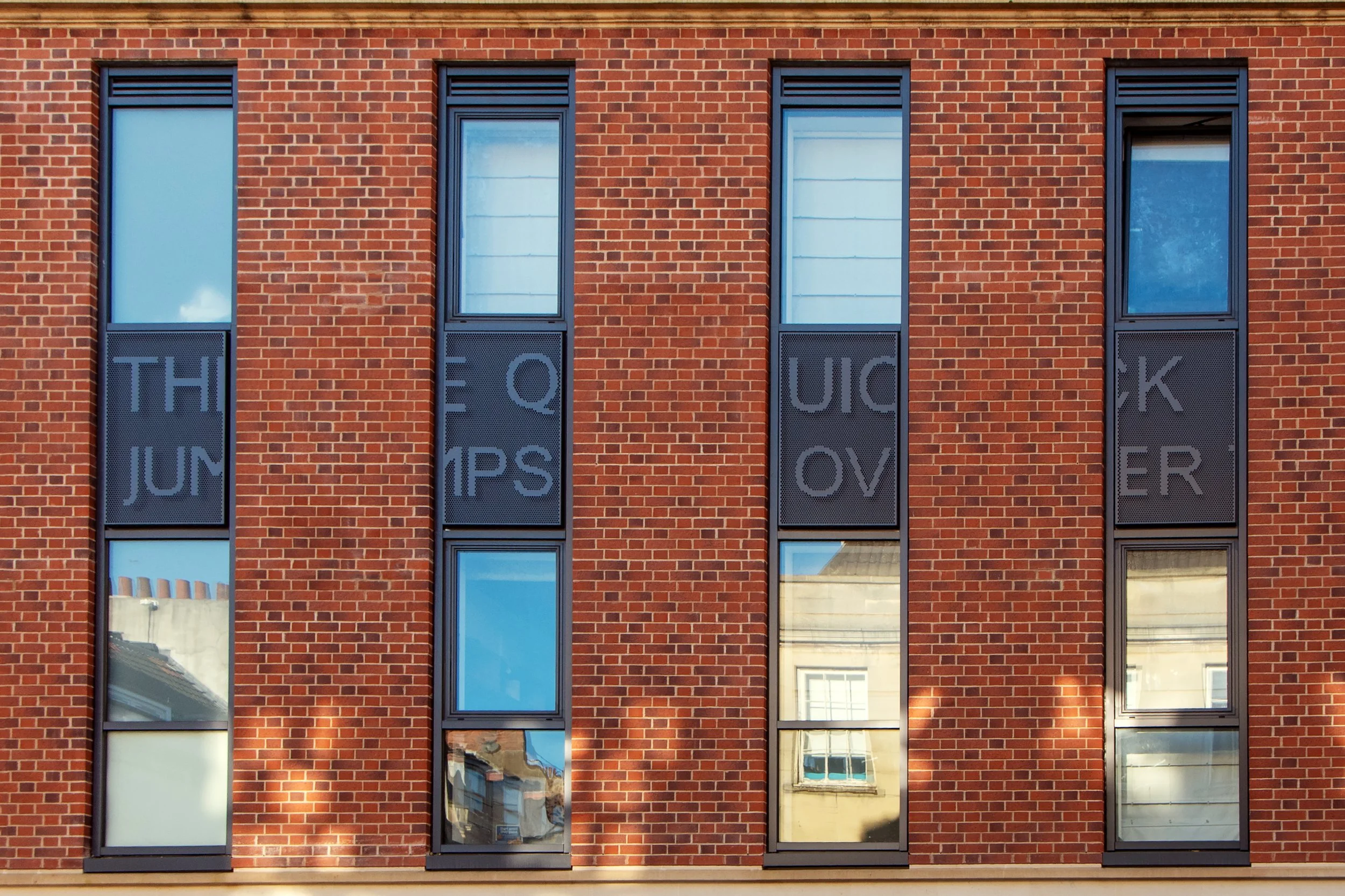
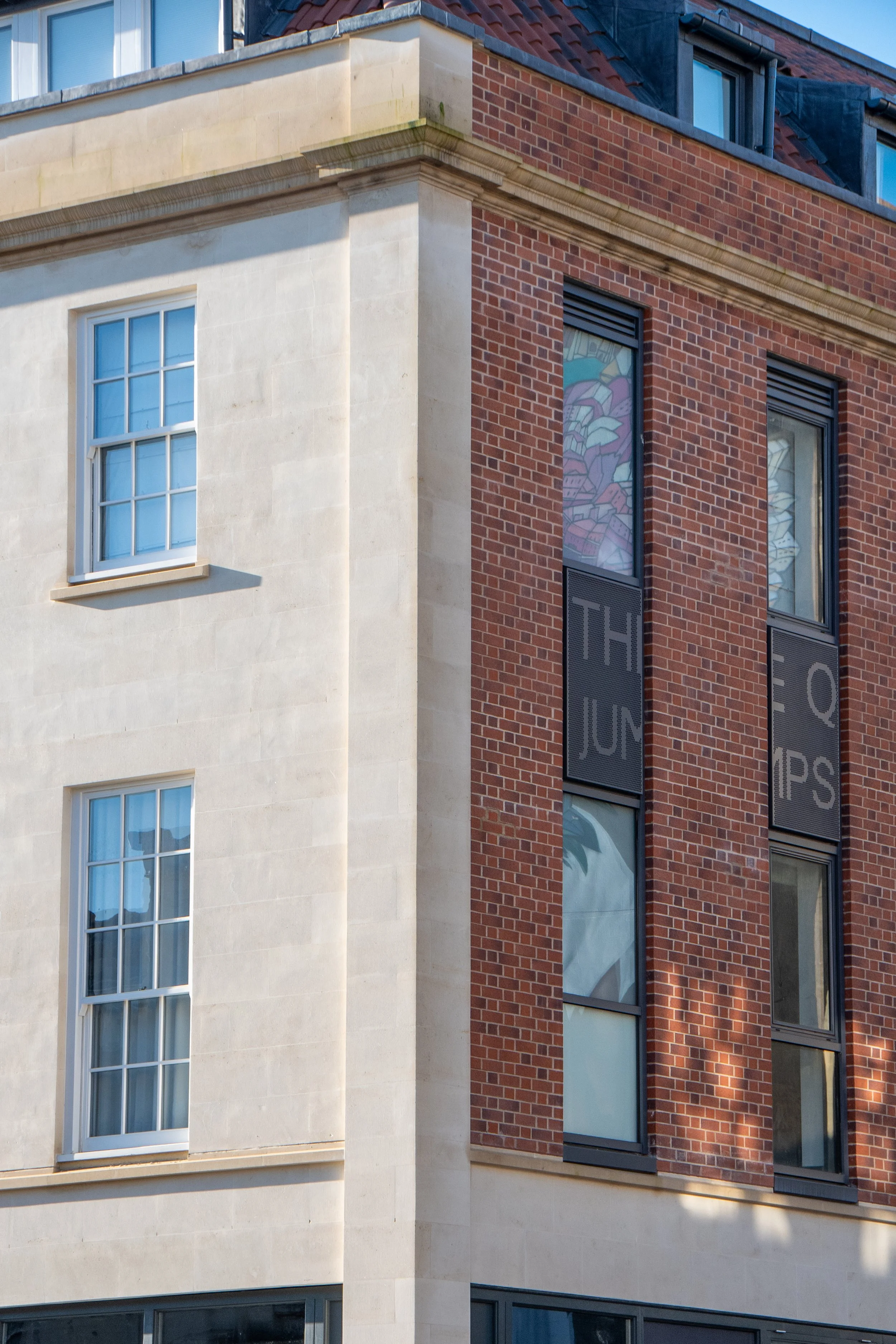
The completed building reflects a seamless blend of traditional craftsmanship and modern performance. The façade, constructed from Bath stone and red brick, has been meticulously detailed to reflect the surrounding Georgian architecture, with coursing patterns and proportions informed by laser surveys and LiDAR scans.
Subtle contemporary elements are carefully integrated, including perforated screens that discreetly conceal ventilation louvres and bespoke Gill Sans-inspired typography artwork referencing the site’s literary heritage, particularly its association with Douglas Cleverdon’s historic bookshop.
Behind the façade, the building delivers a step change in performance. Sustainability was embedded from the outset, with a fabric-first approach supported by advanced building services. Airtight construction, high levels of insulation, mechanical ventilation with heat recovery (MVHR), air source heat pumps, and solar photovoltaic panels significantly reduce operational energy demand while enhancing thermal comfort and indoor air quality.
Measurable performance improvements
The redevelopment replaces an inefficient, outdated structure with a high-performing building across multiple metrics:
Environmental performance: Substantial reductions in energy consumption and carbon emissions through integrated low-carbon technologies and improved building fabric.
Occupant comfort: Enhanced thermal stability, air quality, and acoustic performance, validated through testing and commissioning.
Urban and cultural value: Restoration of the historic streetscape, improving visual continuity and reinforcing the identity of Park Street.
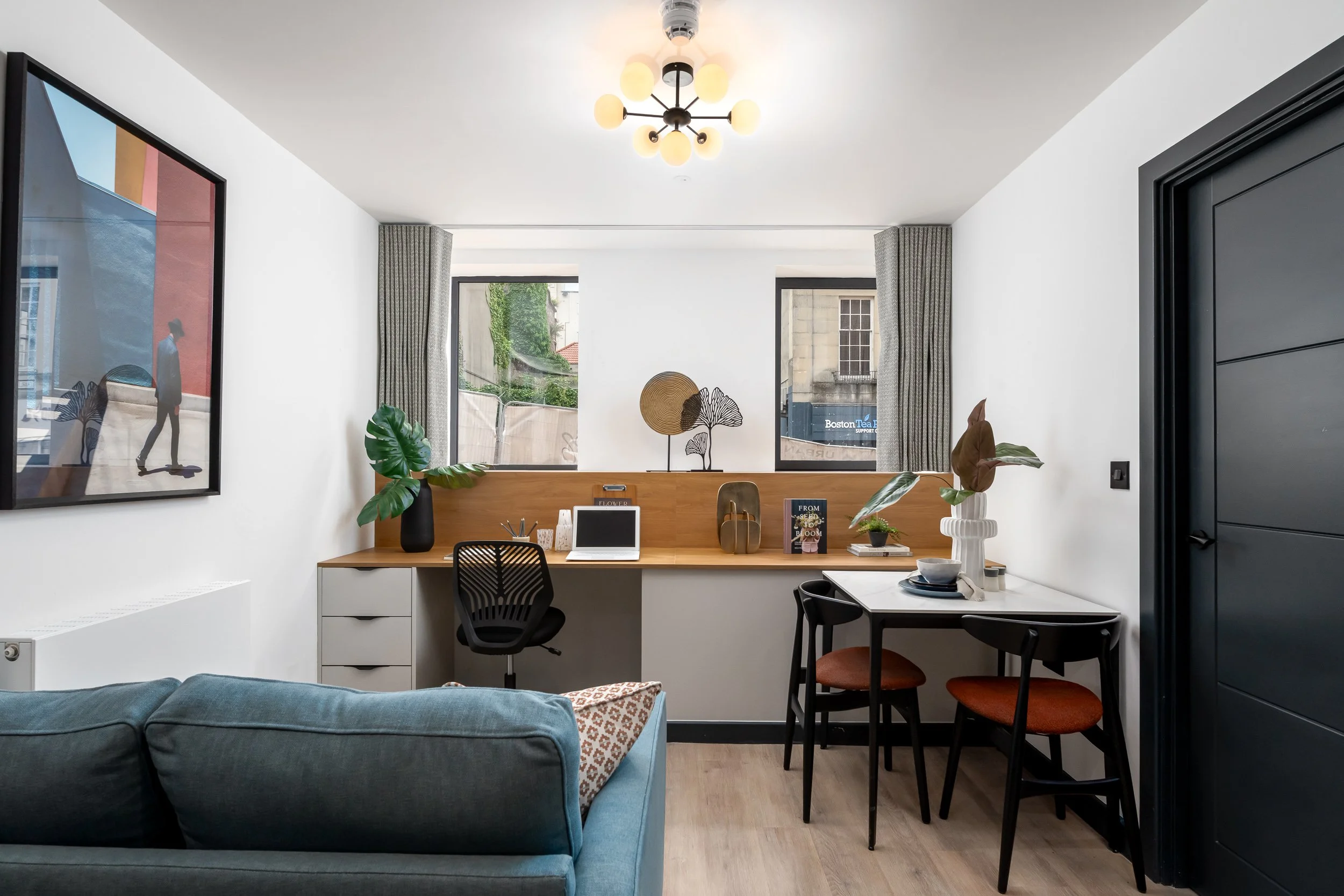
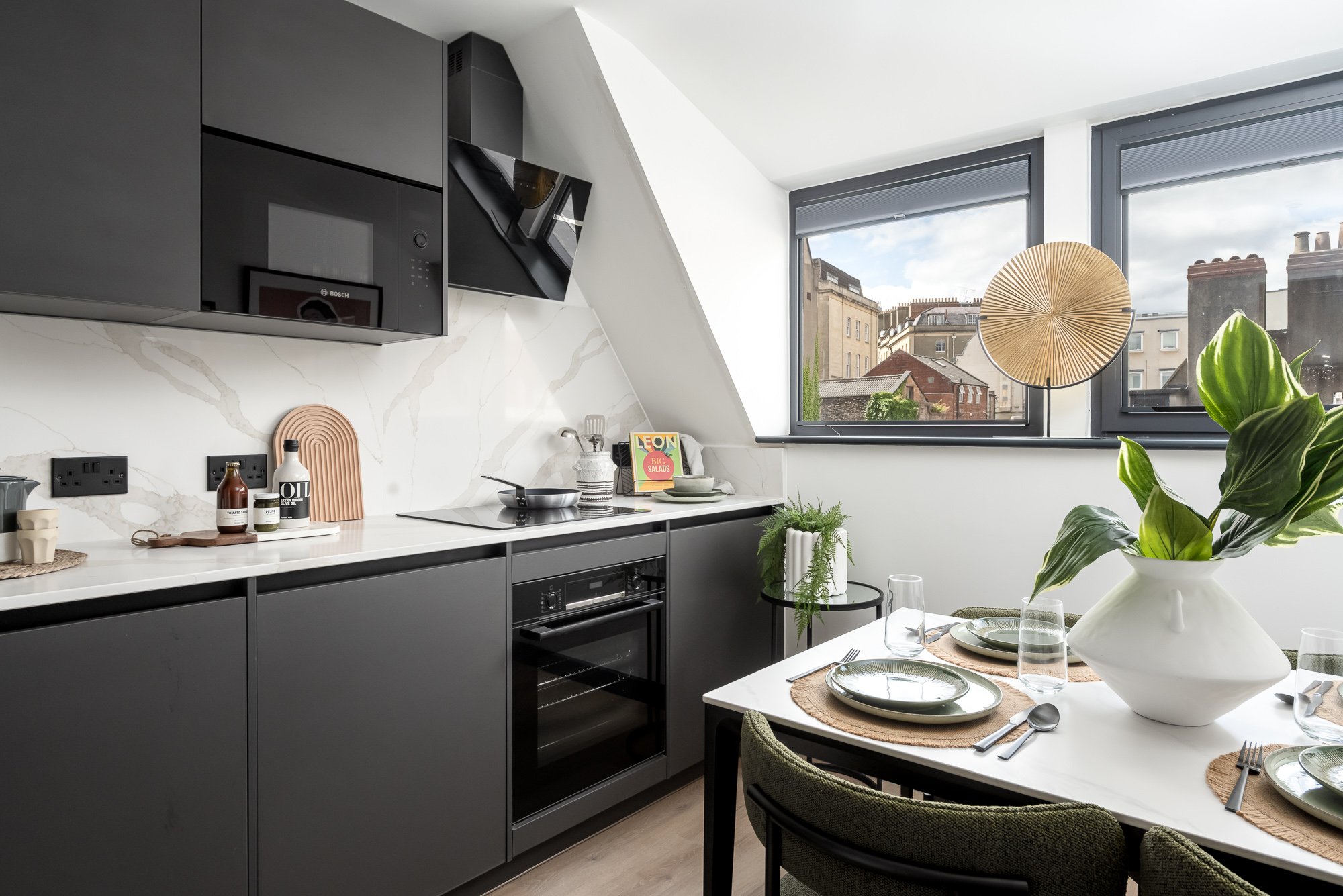
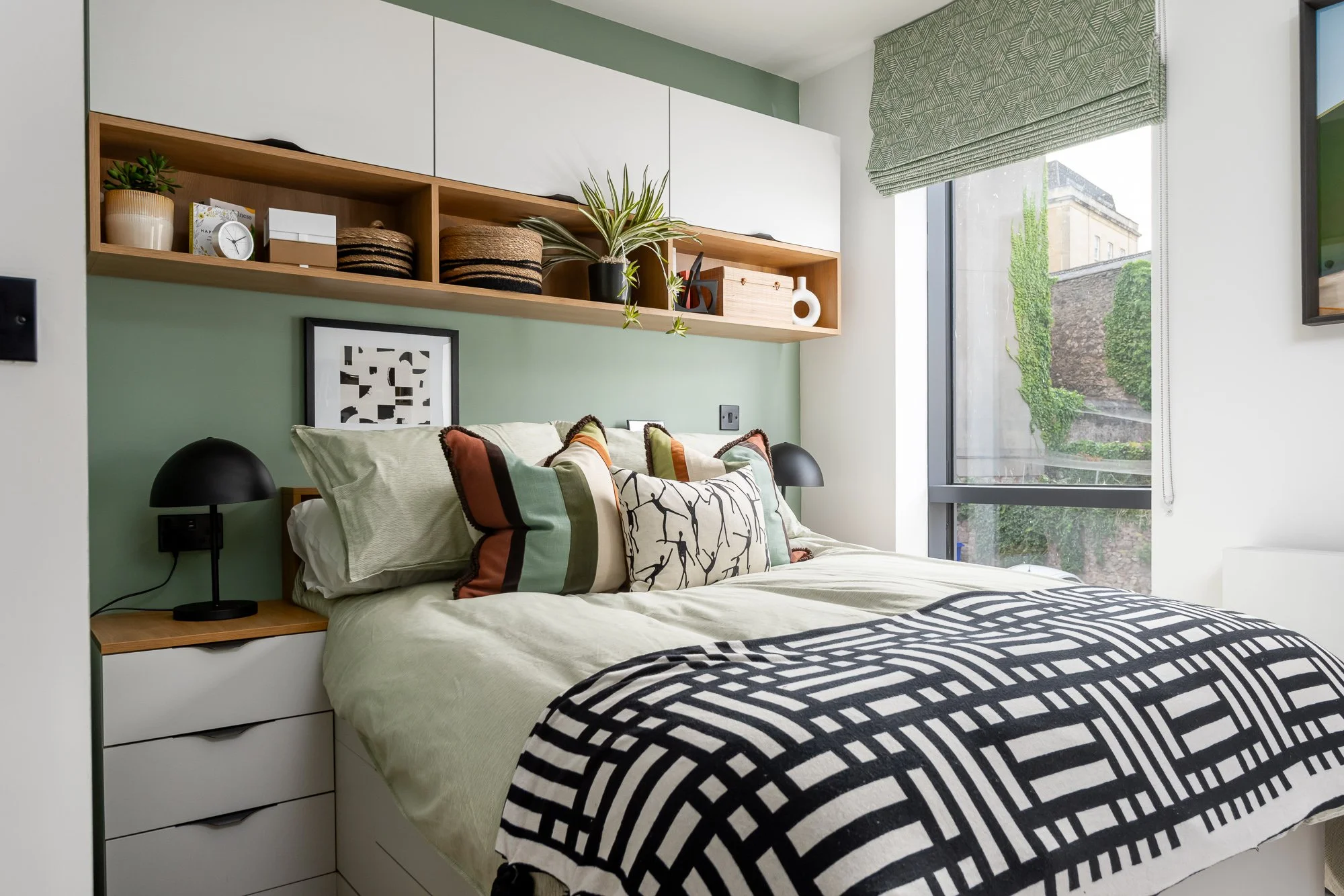
Operational functionality: Delivery of 17 high-quality student apartments alongside a flexible, energy-efficient commercial unit that supports local economic activity.
Overcoming the unexpected
During demolition, unforeseen structural conditions were uncovered, including an infilled basement and the discovery that the existing structure was supporting a highway retaining wall. The team rapidly adapted the construction strategy, introducing specialist piling and temporary works to stabilise the site.
The final structure was engineered to permanently support the retaining wall, avoiding the need for its reconstruction—saving both embodied carbon and cost. Additional challenges related to site logistics, high pedestrian footfall, and stakeholder coordination were addressed through dynamic planning, flexible scheduling, and proactive communication.
A lasting impact
The completed development has been widely recognised as a transformative addition to Bristol’s built environment. The reinstated façade restores the historic continuity of Park Street, while the new residential and commercial spaces contribute to the area’s vibrancy and economic resilience.
Videography by David Plummer