
royal fort house
project roundup:
client: University of Bristol
project team: University of Bristol, Shu Architect, Orchard Stone Mason, Aztech Building Services Ltd, Smith Consult, English Heritage
location: Bristol, UK
associated blog: Our experience using the English heritage pre-app advisory service & enhanced advisory services
key objectives:
Improve Accessibility: Provide inclusive and compliant access to the building through a series of carefully integrated interventions.
Enhance Functionality: Upgrade facilities and internal spaces to support contemporary teaching, meeting and event requirements.
Improve Building Performance: Address operational challenges, including acoustic performance and user comfort.
Respect Heritage Significance: Preserve and protect the historic character and fabric of one of Bristol's most important heritage assets.
Deliver Reversible Solutions: Ensure interventions can be removed or adapted in the future without harm to the building.
Royal Fort House is one of the University of Bristol's most significant buildings, occupying a prominent position at the heart of the campus. This ongoing programme of works seeks to improve accessibility, functionality and building performance while safeguarding the architectural and historic significance of the Grade I listed property.
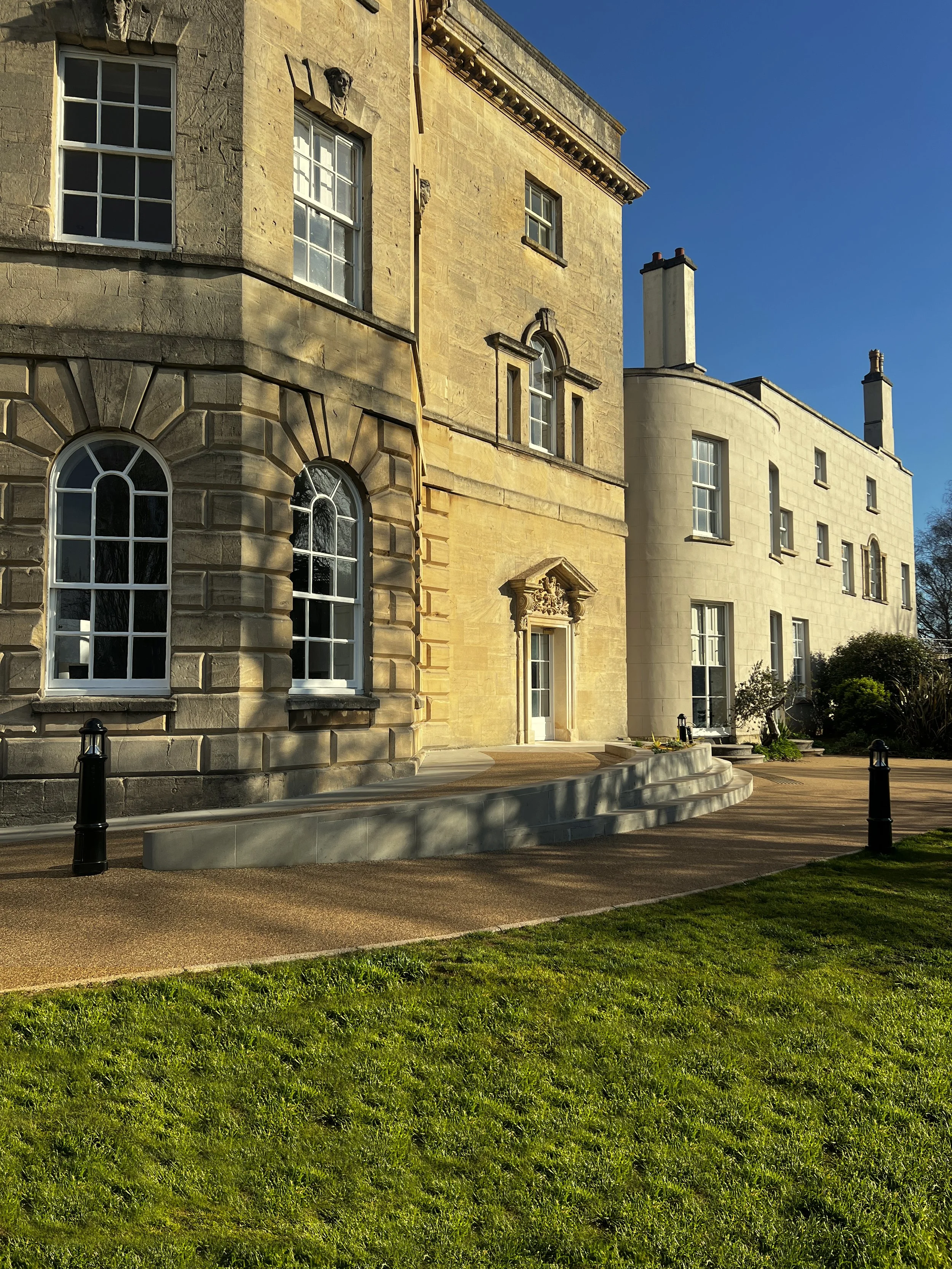
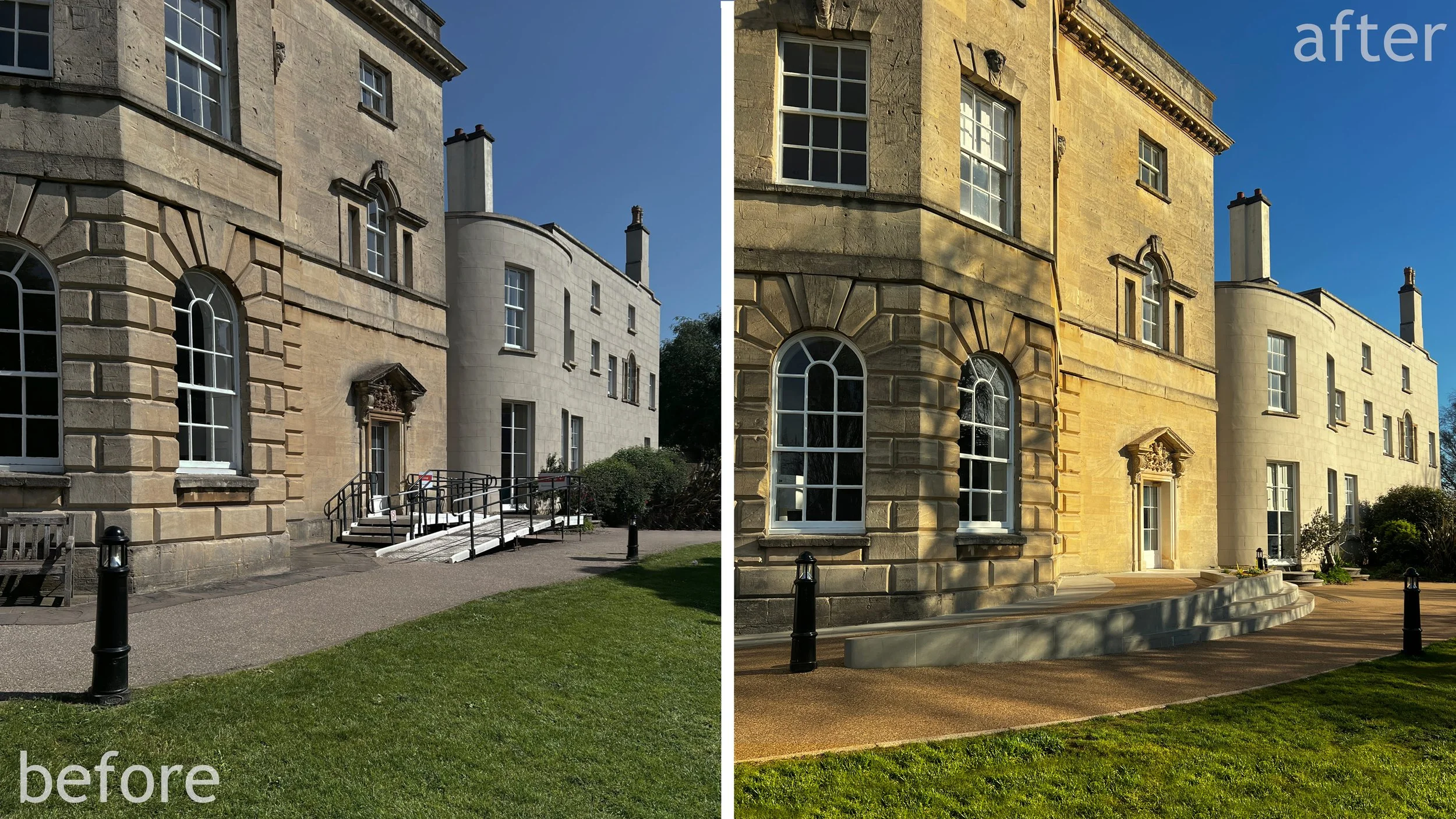
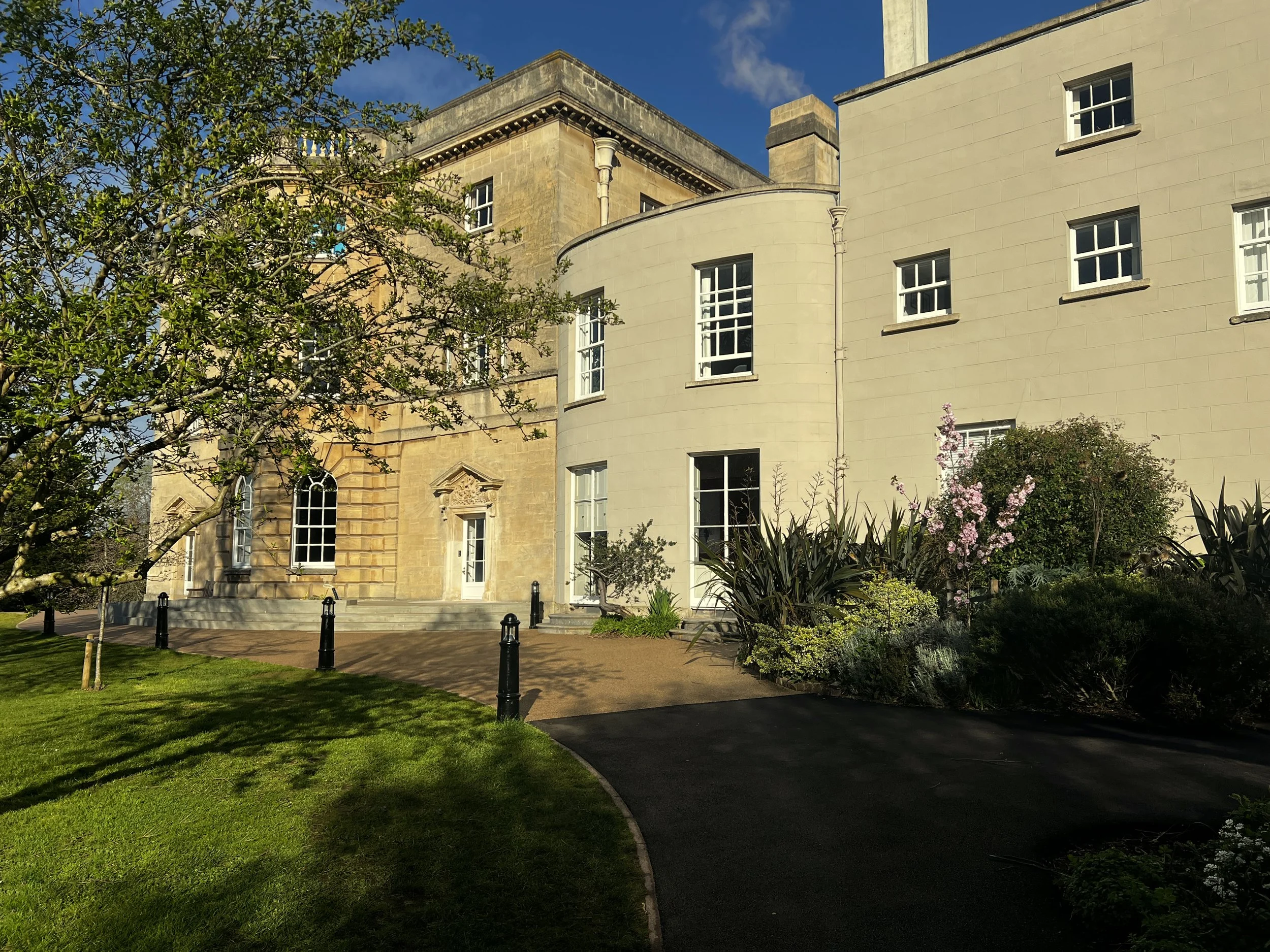
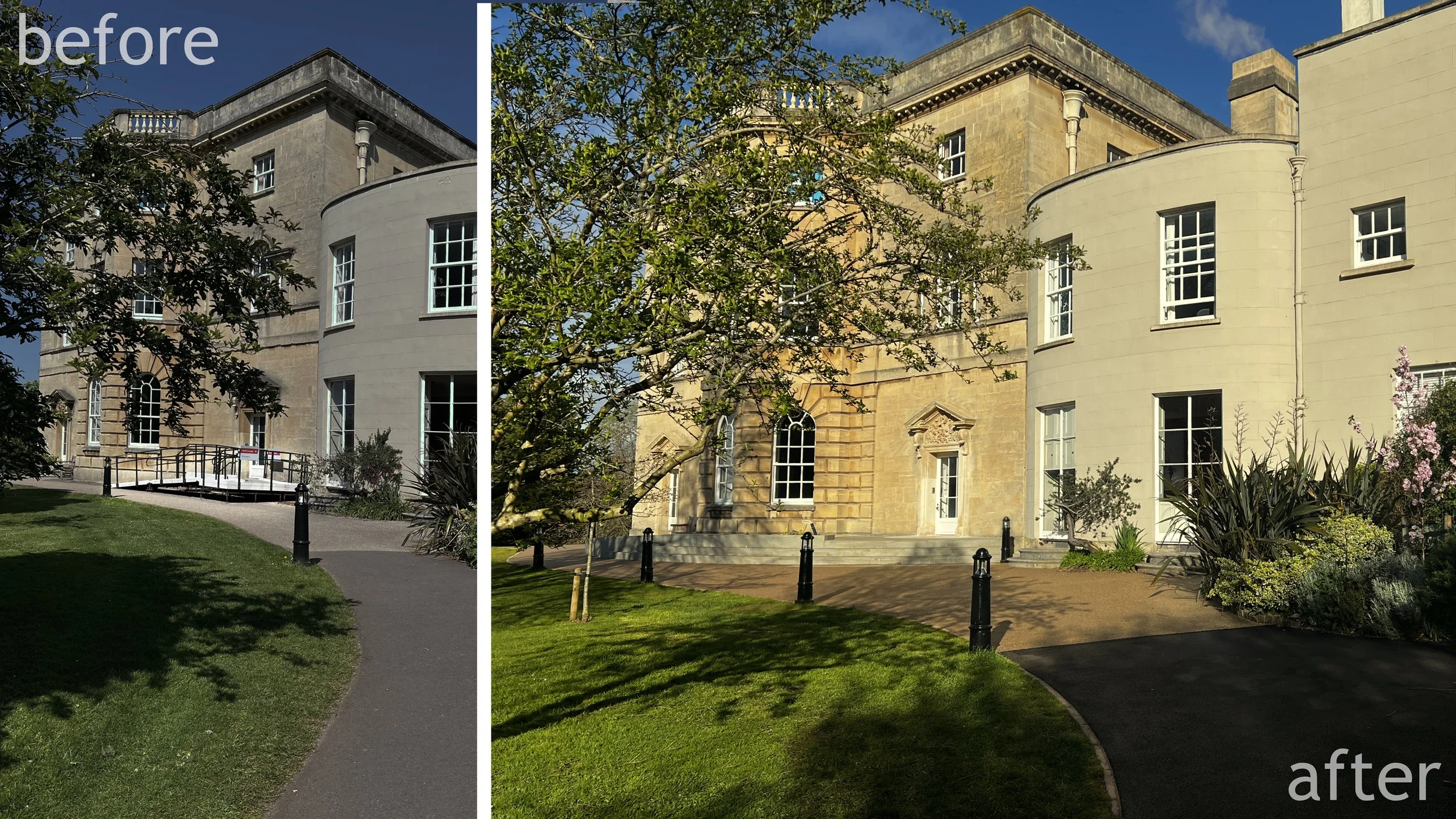
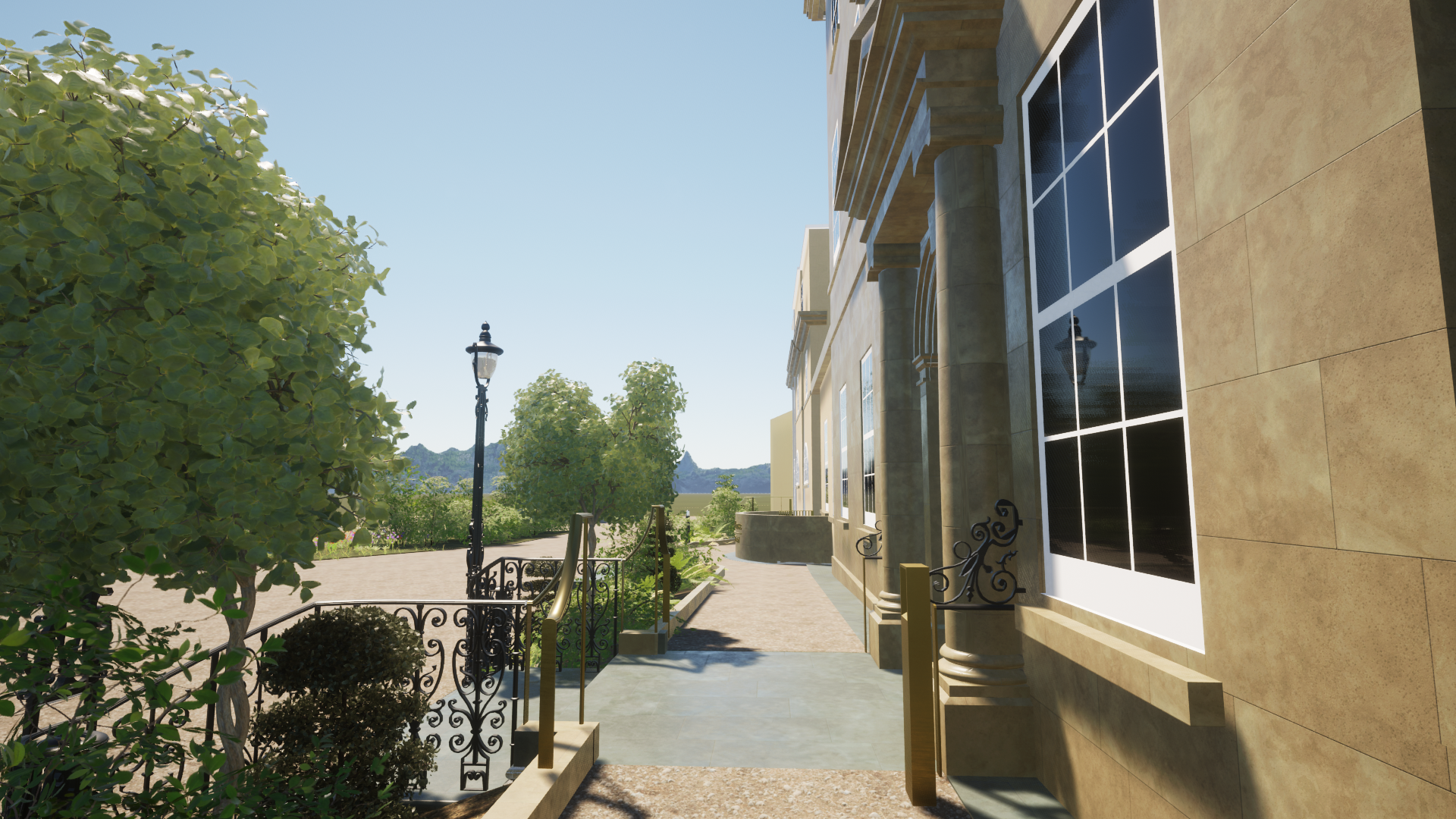
The first phase of works involved the replacement of a deteriorating temporary access ramp on the south elevation. The new design provides improved accessibility while carefully preserving the character of the Georgian façade and protecting the original entrance steps beneath a fully reversible structure.
Building on this success, subsequent phases introduce further accessibility improvements, including level access to the northern entrances, alongside internal alterations to modernise facilities and support changing patterns of use. Proposed upgrades include new accessible toilets, a commercial kitchen and flexible event spaces capable of supporting a wide range of university activities.
Alongside these physical adaptations, targeted improvements to internal environments, including acoustic upgrades to meeting spaces, help ensure the building can continue to support modern teaching, collaboration and hybrid working requirements.
Developed through close collaboration with Historic England, the University of Bristol and the wider project team, the scheme demonstrates how sensitive design can successfully balance heritage conservation with the evolving needs of a contemporary university. The result is a coordinated programme of improvements that will help secure the long-term future of Royal Fort House for generations to come.