
THE COLOUR PINK:
From Masculine Power to Modern Gender Statement
June 23, 2025
Key learning outcomes:
More Than Feminine: Pink is widely seen as feminine today, but it wasn’t always that way.
A Colour Rebranded: Once a symbol of masculinity and power, pink’s meaning shifted due to marketing and social trends.
Modern Symbolism: Now, pink represents identity, activism, and freedom beyond gender.
As it’s National Pink Day, we wanted to dive into the history of the colour and its origins, as in western culture, today Pink is often associated with femininity, but historically, it was considered a masculine colour. In the 18th and 19th centuries, pink was seen as a lighter, softer version of red, which symbolised power, strength, and masculinity. Men, including royalty such as King Louis XVI, wore pink as a symbol of wealth and social status.
It wasn’t until the early 20th century that the association of pink with femininity started to take hold. In the 1920s and 1930s, the idea of assigning blue to boys and pink to girls gained traction, influenced by marketing and consumerism. By mid-century, pink had become firmly linked to femininity, symbolising softness, beauty, and nurturing, while blue was now the colour associated with masculinity and strength.
It is worth pointing out here that anything associated with the feminine was to associate with weakness and generally held less value in society than something associated strength and longevity i.e. masculinity.
However, pink’s history as a masculine colour is important to remember. It was once seen as a strong, robust hue for boys and men, symbolising power and aristocracy. Over time, society’s view of the colour was altered by marketing strategies and consumerism that capitalised on gender-specific products for children, ultimately reinforcing pink as the colour of girlhood as we know it today.
However, in recent years, pink has been reclaimed as a symbol of inclusivity and resistance. The phrase “real men wear pink” has helped break down traditional gender norms, and in the LGBTQ+ community, the pink triangle, once associated with persecution, has become a symbol of pride, defiance and empowerment, showing that the colour does represent creativity, confidence, and self-expression, regardless of gender. From the Pink Ribbon Campaign to the #PinkTax, pink now represents a range of causes and identities. The colour pink has evolved.
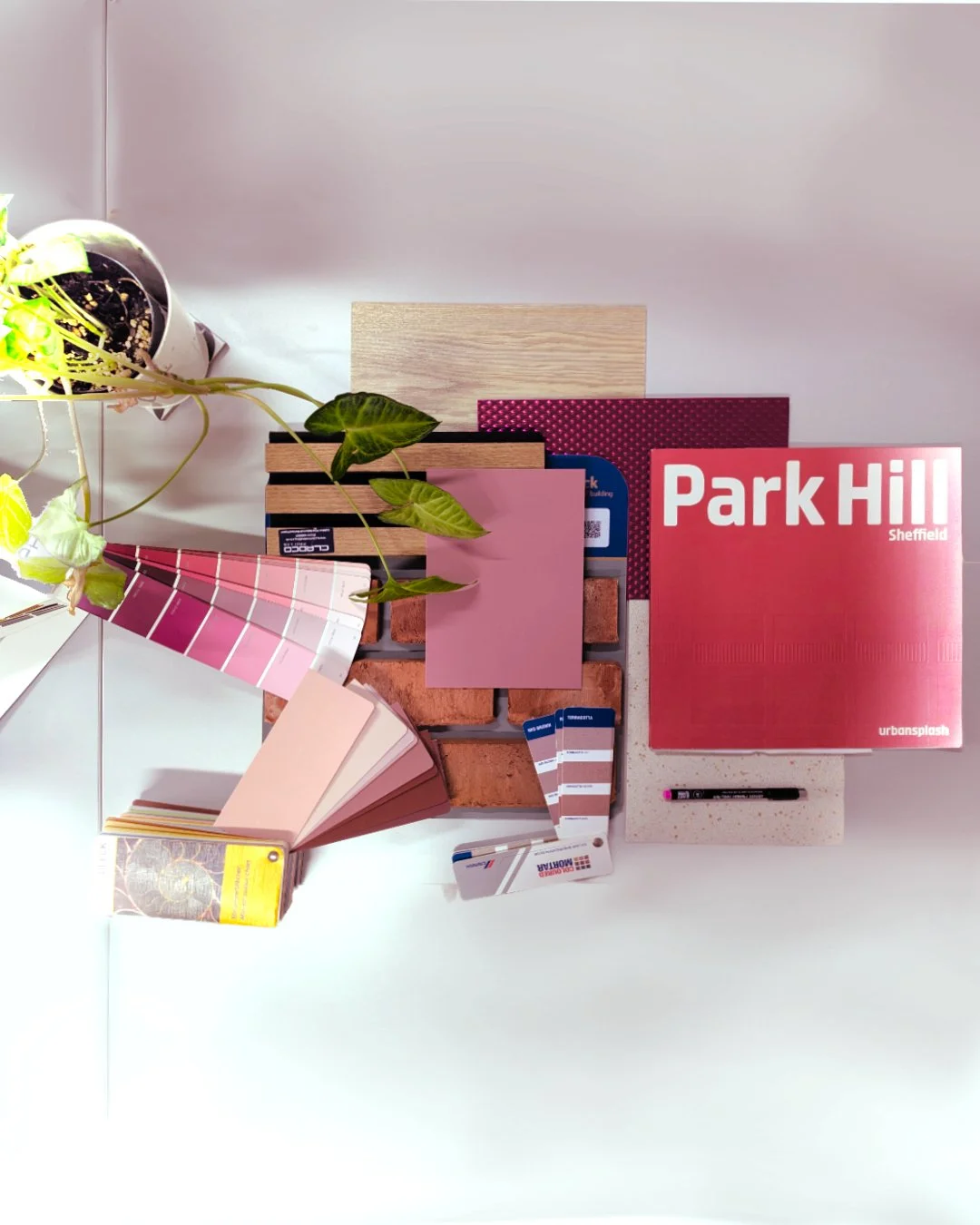
But despite this cultural shift away from pink as the delicate and weaker colour we have not seen this change in architecture. Away from Barbie’s dreamhouse, when was the last time you saw a pink building? Even in interiors we often only see pink being used in children’s bedrooms or women’s WCs. As architects we have often discussed if it is our place or responsibility to reinforce the change in culture?
So tell us your favourite pink building and why not wear pink this Pride month!