MATTERPORT
15 May, 2026
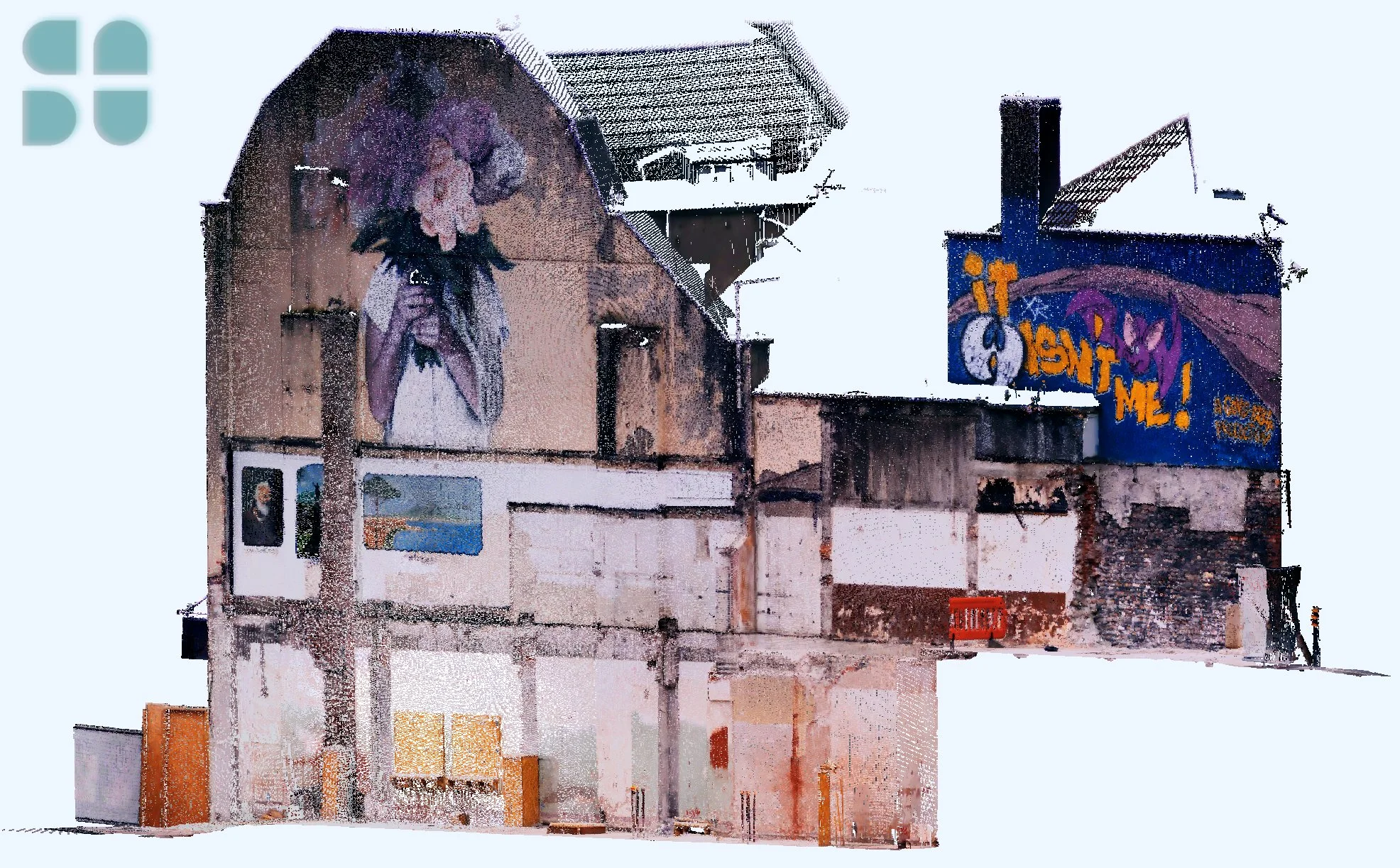
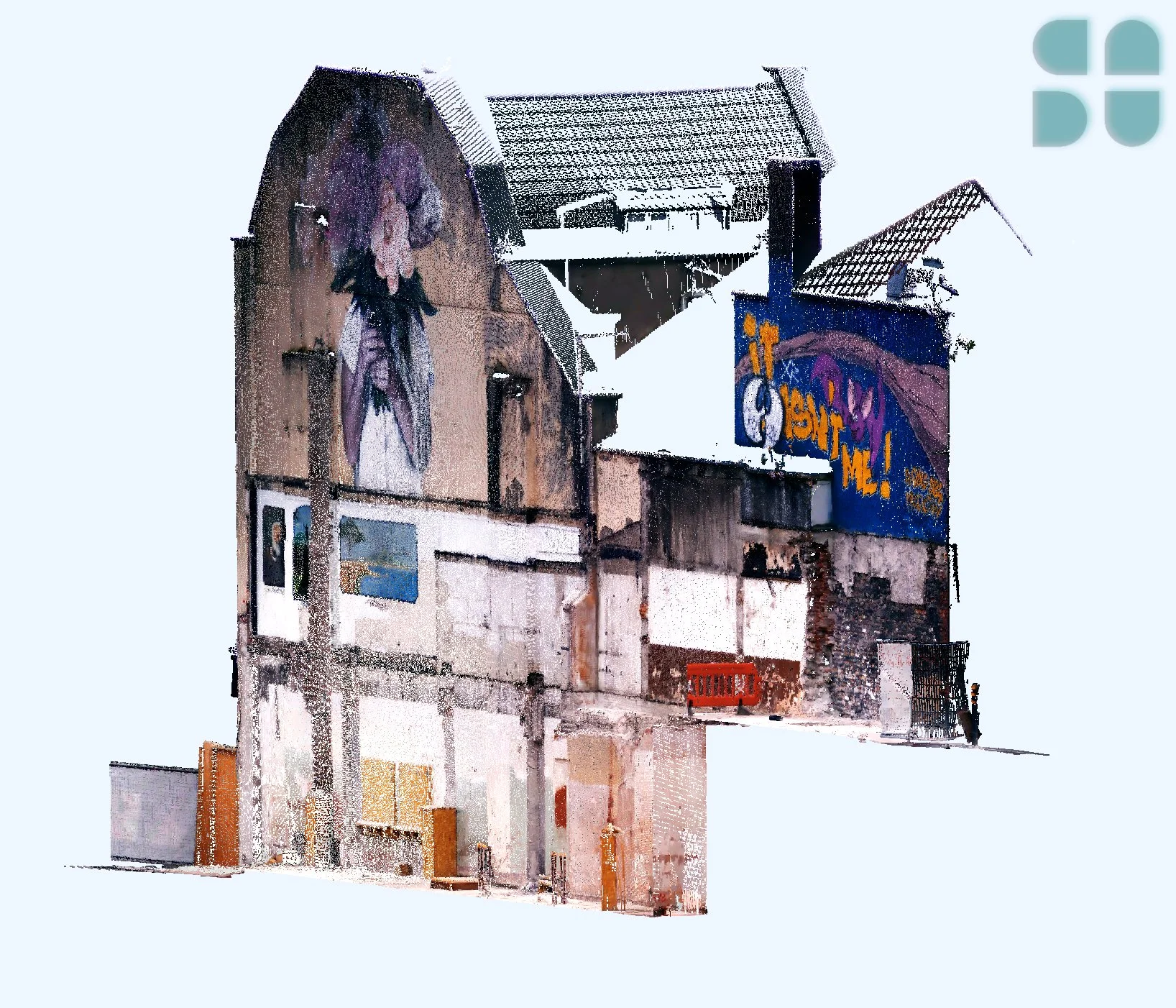
We’ve all experienced that moment when you return to the office after completing a project survey, only to realise you didn’t capture enough photos, the light was bad or missed a critical area altogether. This is especially common when working with listed buildings, where attention to detail is essential, which often isn’t picked up on a standard building survey, and gaps in information can lead to additional site visits.
As architects, we value the experience of visiting new places and understanding the context in which our designs sit. At the outset of every project, we prioritise getting to site, whether by foot, cycle, train, or occasionally by air for more remote locations. Over the past year our work takes us across Bristol, the South West, South Wales, London, Cornwall and even the Isles of Scilly.
However, whilst we can easily walk to some of our sites, it is the most remote ones that we cannot revisit as frequently. This makes it crucial to capture as much information as possible during each visit. Increasingly, we are using tools such as LiDAR scanning and Matterport to record spaces in detail, allowing us to revisit them virtually whenever needed.
In many ways, this is not dissimilar to how we might use Google Maps or Street View when planning a trip, exploring places in advance or retracing our steps afterwards. These tools are incredibly useful, but they don’t replace the experience of being there in person. The same applies here. The atmosphere, materiality, and small details that are easy to overlook on screen and so they aren’t going to replace the site visit anytime soon. However, Digital tools enhance our understanding and allow us to revisit spaces, even if they cannot fully replicate the nuances you pick up on site. We can also use them to plan out a site visit, using our limited time more efficiently.
We have enjoyed working in collaboration with the Bristol University, where we have found these technologies particularly valuable, especially when working on complex, multistage projects within the same building. They provide quick access to accurate spatial information, reducing the need for repeat visits and helping to save both time and resources.
For a recent project on the Isles of Scilly, we scanned the interior of a residential Grade II listed property and used the resulting point cloud data to produce accurate plans and sections. Using Matterport, we also created a 3D walkthrough, enabling us to explore the space, take some basic measurements and test ideas remotely. If you have ever visited the Isles of Scilly you will know there are challenges in getting there! And so this proved invaluable when regular site visits were not possible.
LiDAR is also highly effective in capturing fine architectural details, such as ornate cornicing or skirting boards. As we frequently work with heritage buildings, it is important that any interventions respect and enhance these features. Where elements are missing, we often need to replicate them, and accurate 3D records allow us to work with trades to do so with confidence.
Looking Beyond the design process, these digital records can also serve as a valuable resource for the future. They provide a clear and detailed record of spaces and interventions, helping future occupiers and stakeholders to understand how a building has evolved over time.
So, whether we're working on a listed cottage on the Isles of Scilly, a complex heritage building in Bristol or a contemporary office space, the challenge is always the same with an existing property: how do we fully understand a place, and do it justice, without being there every day? Digital survey tools like LiDAR and Matterport have become a genuine part of how we work; from feasibility to construction and not as a shortcut, but as a way of being more thorough, more considered, and more efficient for and on behalf of our clients.
If you're an owner, developer, or custodian of a heritage building, a constrained or remote site, or simply a project that demands a higher level of care and precision, we'd love to talk. These tools are most valuable when they're part of a wider approach that puts the building; its history, its quirks, its potential, at the centre of the process. That's what we try to do on every project, wherever it takes us.
Get in touch to find out how we can help.