LESS IS SOMETIMES MORE
09 January, 2026
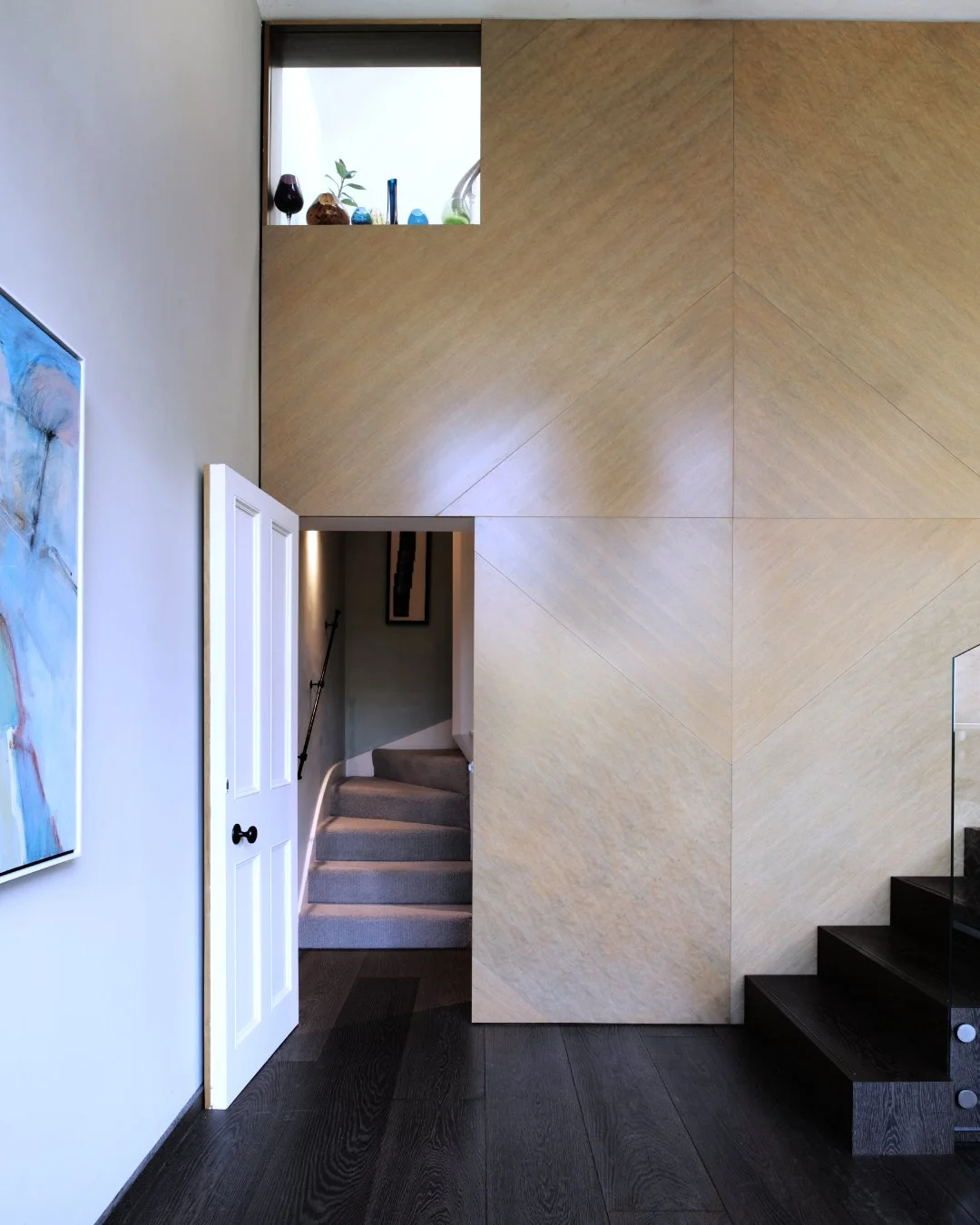
There are spaces to live in and then there are special spaces to live in. Whether you are a developer or a homeowner there are lots of things to consider and we love developing the brief.
From the smaller to the larger homes we think as architects we can help you to get the best out of your buildings and make sure they create the perfect places to live.
These are six key points that Claire thinks you need to consider;
1. It is important to understand how you like to live
If you have purchased a plot of land then you may benefit from a 3D model to help you understand how spaces we design around the home will be experienced.
If you have just bought an existing property then it is really useful to live there for several months and understand how you feel about the spaces, to experience how the light moves around through the day and even across the seasons. For example, you might notice a corner that becomes perfect for a Christmas tree during the holidays or a sunny spot that’s ideal for morning coffee.
No two people have exactly the same preferences; some prefer different rooms for different times of day, others like an expansive multipurpose room forming a heart to the house from morning until night.
How do you feel about sunlight? Do you prefer to have your morning coffee in a particular spot? Or perhaps you prefer your sun later with a post-work gin and tonic on a warm patio.
If you work from home regularly, do you like to keep one eye on the entrance door? Or do you prefer to hide away?
2. Remember, more rooms are not necessarily better
An inspiring home should have rooms that vary in size, from the more expansive kitchen diners to the cosy den retreats. Sometimes you need to think more about which rooms you need and where. Are you short on private spaces; you might need more bedrooms. Having the children’s bedrooms close at hand is usually desirable for parents with young children but sometimes having a multi-purpose guest suite that sits away from the main family spaces can work better. Especially, for the young adults that are boomeranging back home or if you have visitors that stay for long periods of time. Sometimes, it isn’t more bedrooms you need but more ancillary spaces; Do you want that large ensuite bathroom or do prefer a pair of bathrooms.
Also if you want fewer bedrooms with larger space go for it! Many people are choosing to have fewer children, or none at all and often, if you find a balance that works well for you, it will work for the next owner.
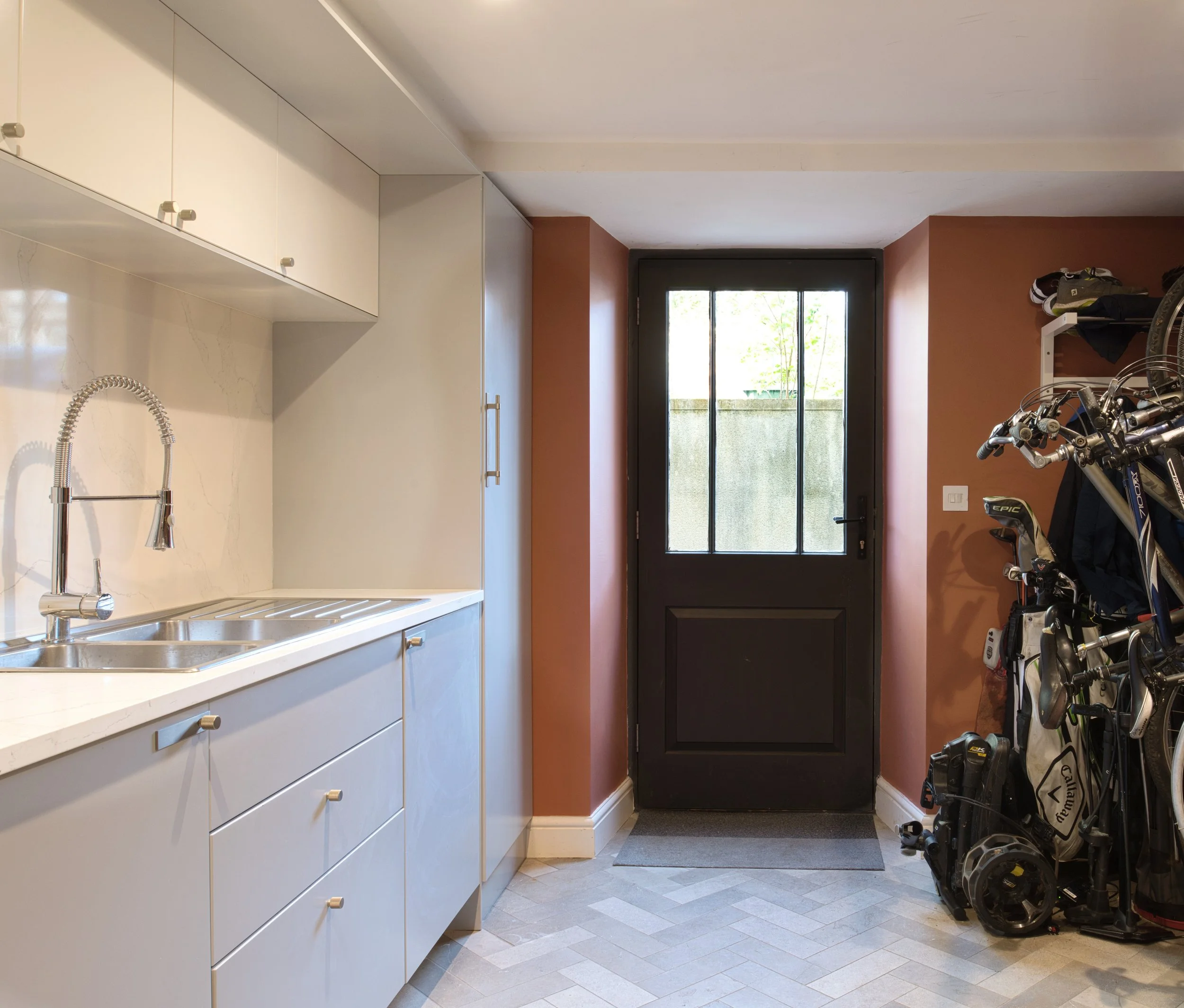
Do you need some rooms that do more heavy lifting? Big multi-use kitchen diners can be great but splitting spaces for more specific uses might work better for you. You might want a boot room or a laundry where everything from coats and sports equipment to washing can be sorted, dried and hidden away, making the main rooms tidier, calmer and keeping your kitchen ready to host the next dinner party.
3. Position rooms to be mindful of noise
Rooms need to be located appropriately for their purpose.
If you have a study and have on-line meetings then perhaps don’t position it so you can hear the kid’s playdate or the teenager’s band practice.
If you enjoy a late night or break of dawn work out in your home gym then you wont want to wake a sensitive sleeper.
If you want to relax in the kitchen after dining maybe the washing machine needs to be located elsewhere.
Consider if you need to buffer the rooms to key quiet space. No-one wants to hear the wide awake and noisy occupants when you go to bed early and well located storage space can mitigate this.
4. If it is an existing building don’t be afraid to make bold changes
So many decisions about living in an existing building are because the rooms have always been arranged like that. However, since that building has been built you can be sure we all use spaces differently. The servants in my Georgian House are certainly absent! Sometimes the design of the original house may have been flawed and the stair was never in the right place.
If you have an existing building with a suspended timber floor sometimes it is not always as much of a challenge to move a kitchen or bathroom. The former outhouse/ now utility room has the best view of the garden and there is scope to move it to a darker part of the house (with ventilation of course).
We would always say that when remodelling a house a digital survey is essential and invaluable; accurate dimensions early on can save later disappointment and last minute compromises.
5. Consider what you see and when
Everyone is different and some people like spaces that are more open and other spaces more closed.
If you run a business from home do you need to be able to clearly separate work and home life; you need to invite clients and customers to the public areas of the house and shut off the private spaces. This doesn’t have to be a ‘do not enter’ sign on the door, it can be more subtle.
If you love the outdoors do you need rooms that enhance this connection, be it with patio doors or Juliette balconies or even a window the frames your favourite tree with a space to sit.
If you like to invite friends around for a meal do you love to chat and cook or do you want to be able to close off the washing up and kitchen chaos. We can ensure the spaces are arranged to facilitate this.
If you are having a deliveries, how much of your home do you want on show; this could be all of it or none. If you have a pet, it might be important that there a door you can easily close to shut off the front door to the rest of the house.
It all really comes down to when visitors arrive at your home what do what them to see?
6. Be mindful of your budget; a small intervention can make major changes
Construction costs are high at the moment and will vary over time but it is always good to be realistic on budgets. Sometimes that larger house or that extension is not the solution and can just compound problems further down the line. We look at how space can work more efficiently and flow. Whatever your budget, our aim is always to get the best value for you and your project.
No project is to big or small, we have worked with listed buildings; changing the use and getting them to work for the current users as well as new builds. Whether you have lived in your property for years and just can’t put your finger on what isn’t working or you have had your eye on a plot of land but are overwhelmed by the possibilities and constraints, give us a call and let’s see how we can help!